Dealing with uneven skin tone, brown patches, or stubborn dark spots can be frustrating. If you’ve searched for how to remove pigmentation from face permanently at home, this guide breaks down safe, evidence-based steps you can follow today. You’ll learn practical routines, proven ingredients, and long-term strategies to reduce hyperpigmentation, manage melanin-related discoloration, and restore a more even complexion without relying solely on clinic treatments.
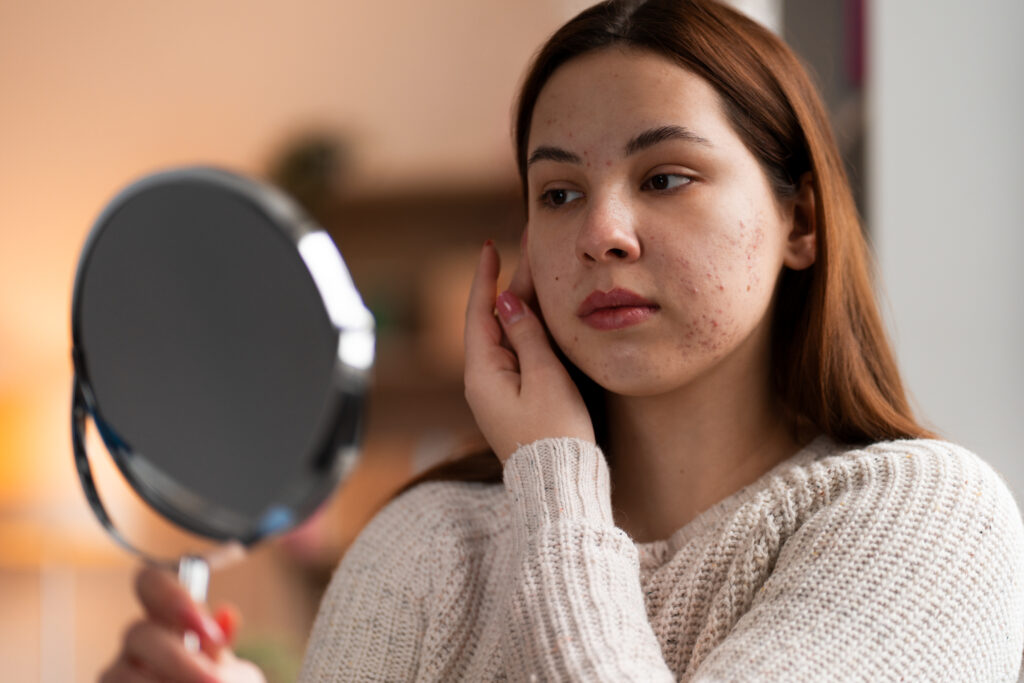
Why how to remove pigmentation from face permanently at home Matters
Pigmentation and dark spots affect confidence and skin health for people around the world. Hyperpigmentation results from excess melanin production triggered by sun exposure, inflammation, hormones, or acne. Learning how to remove pigmentation from face permanently at home matters because:
- It empowers you to manage and prevent recurring spots with consistent habits.
- Home care can be affordable, gentle, and effective when guided by evidence-based ingredients.
- Reducing pigmentation improves skin texture, evens tone, and enhances the outcome of professional treatments if you later choose them.
Common pain points include choosing the right products, avoiding irritation, and understanding realistic timelines. Expect incremental improvement—permanent results require consistent prevention and maintenance, not quick fixes.
Step-by-Step how to remove pigmentation from face permanently at home Guide
Step 1: Start with a gentle, consistent cleansing and exfoliation routine
Clean skin responds better to active treatments. Use a gentle, pH-balanced cleanser twice daily to remove pollutants and sunscreen residue. For exfoliation:
- Use a chemical exfoliant (AHA like glycolic or lactic acid, or BHA like salicylic acid) 1–3 times per week depending on skin tolerance. These increase cell turnover and help fade surface dark spots.
- Avoid harsh physical scrubs that can damage the barrier and worsen pigmentation.
Example routine: Cleanse morning and night; apply a 5–10% glycolic acid product at night twice weekly for beginners, increasing frequency as tolerated.
Step 2: Incorporate targeted brightening actives
To reduce pigmentation on face naturally and effectively, use clinically proven actives. Introduce one at a time and patch test.
- Vitamin C (L-ascorbic acid or stable derivatives): morning antioxidant that inhibits melanin formation and brightens existing spots.
- Niacinamide (vitamin B3): reduces pigment transfer to skin cells and calms inflammation—compatible with most routines.
- Alpha arbutin: a gentle inhibitor of tyrosinase, useful for hyperpigmentation and darker skin tones.
- Azelaic acid: anti-inflammatory and tyrosinase inhibitor—good for post-acne marks.
Practical tip: Use vitamin C serums in the morning under sunscreen, and azelaic or niacinamide at night. Track progress with photos every 4 weeks.
Step 3: Use prescription or high-strength actives carefully
If OTC actives are insufficient, consider stronger options after consulting a dermatologist. These may include:
- Topical retinoids (tretinoin, adapalene): increase cell turnover and boost collagen while fading pigment over months.
- Hydroquinone (short-term use under supervision): a potent depigmenting agent—best used in cycles to avoid rebound hyperpigmentation.
Important: These require patience and monitoring for irritation. Start slowly (e.g., every other night) and combine with moisturizers to protect the skin barrier.
Step 4: Daily sun protection and maintenance
Sun exposure is the primary driver of melanin production and pigment recurrence. Effective photoprotection is essential to achieve lasting improvement.
- Apply broad-spectrum sunscreen (SPF 30–50) every morning and reapply every two hours when outdoors.
- Use physical barriers: wide-brim hats, sunglasses, and UV-protective clothing.
- For added defense, incorporate antioxidants (vitamin C) to neutralize free radicals from UV and pollution.
Without sun protection, even the best brightening routine will see limited or temporary success.
Best Methods / Solutions
Here are the most effective approaches that balance safety and results, explained with an expert tone.
- Consistent topical regimen: combining sunscreen + vitamin C (AM) and retinoid/azelaic acid (PM) is a proven daily framework.
- Professional-strength treatments: chemical peels, medical-grade lasers, and microneedling can accelerate results—but pair them with home maintenance to prevent relapse.
- Gentle daily maintenance: niacinamide and alpha arbutin provide steady improvement with minimal irritation—suitable for sensitive skin.
- Targeted correction: short cycles of hydroquinone under supervision for stubborn melasma or deep lentigines.
Why these work: they either decrease melanin production, accelerate cellular turnover, or block pigment transfer—addressing multiple steps in the pigmentation cascade.
Common Mistakes to Avoid
Avoid these pitfalls that hinder progress or worsen pigmentation:
- Skipping sunscreen: Even brief UV exposure can undo months of improvement. Fix: make SPF the non-negotiable first step of your morning routine.
- Over-exfoliating: Excessive acids or scrubs cause inflammation and post-inflammatory hyperpigmentation. Fix: stick to recommended frequencies and pay attention to irritation.
- Mixing too many active ingredients at once: This raises irritation risk. Fix: introduce one active at a time and allow 4–6 weeks to assess results.
- Expecting overnight results: Pigmentation fades gradually—plan for 8–12 weeks to see meaningful change with topical care.
- Using harsh home remedies without evidence (e.g., undiluted lemon juice): These can damage skin and worsen pigmentation. Fix: use clinically supported ingredients and products with clear concentrations.
Pro Tips for Better Results
Advanced strategies to maximize improvement and long-term control:
- Layer actives strategically: antioxidant first in AM, sunscreen last; retinoid or targeted actives at night after cleansing and before moisturizer.
- Use emollient-rich moisturizers to repair the skin barrier and reduce irritation from actives—healthy skin responds better.
- Consider maintenance cycles: rotate stronger treatments (peels/retinoids) with gentler phases to minimize risk.
- Address underlying triggers: control acne, hormonal imbalances, or medication-related photosensitivity with a clinician’s help.
- Document progress: use consistent lighting and baseline photos. This keeps expectations realistic and reveals true improvement over time.
If you’d like guided product picks or a personalized plan, contact us for tailored advice from Sweet and Shine Beauty specialists.
Conclusion
How to remove pigmentation from face permanently at home is a realistic goal when you combine consistent sun protection, proven topical actives, gentle exfoliation, and patience. Permanent control means preventing recurrence—daily SPF, maintenance serums, and periodic professional input when needed. Follow the step-by-step routine above, avoid common mistakes, and consider professional options for deep or resistant pigmentation. Ready to get started? Visit Get Start to explore programs and resources to support your journey.
Frequently Asked Questions
How long does it take to see results when trying to remove dark spots on your skin?
Most topical treatments show visible reduction in 8–12 weeks, with continued improvement over 6 months. Faster results may come from clinical procedures, but long-term maintenance with sunscreen and serums is crucial to prevent relapse.
Can natural remedies permanently remove pigmentation?
Natural remedies like aloe vera, licorice extract, or niacinamide-based natural blends can help lighten mild spots over time, but “permanent” removal typically requires consistent use of clinically proven actives and sun protection. Avoid harsh DIY acids like lemon juice that can cause damage.
Are dark spots and melasma the same thing?
No. Dark spots (post-inflammatory hyperpigmentation) usually occur after acne or injury, while melasma is a hormonally influenced, symmetric pigmentation often seen on cheeks and forehead. Treatments overlap but melasma commonly needs stricter photoprotection and sometimes prescription therapies.
How can I get rid of melanin-related discoloration safely at home?
To reduce melanin safely: use broad-spectrum SPF, vitamin C, niacinamide, and gentle exfoliants. For persistent pigmentation, consult a dermatologist about retinoids, azelaic acid, or medical procedures. Consistency and sun avoidance are the most important steps.
When should I see a dermatologist instead of continuing home treatments?
See a dermatologist if pigmentation worsens, does not improve after 3–4 months of consistent home care, or if you suspect underlying medical causes (sudden onset, bleeding, or raised lesions). A clinician can offer prescription-strength options and safe procedural treatments.
If you want help turning these tips into a personalized routine or building a treatment plan for a business offering skincare services, learn how to Start Business with Sweet and Shine Beauty support.