Vitamin C is one of the most talked-about ingredients in skincare — but what exactly are the vitamin c serum benefits, and how can you use it to solve common skin concerns like dullness, hyperpigmentation, and premature aging? If your skin looks tired, uneven, or lacks radiance, a properly chosen vitamin C serum can be a straightforward, science-backed solution. This guide breaks down the benefits, step-by-step application, best methods, mistakes to avoid, and advanced tips so you get visible results without irritation.
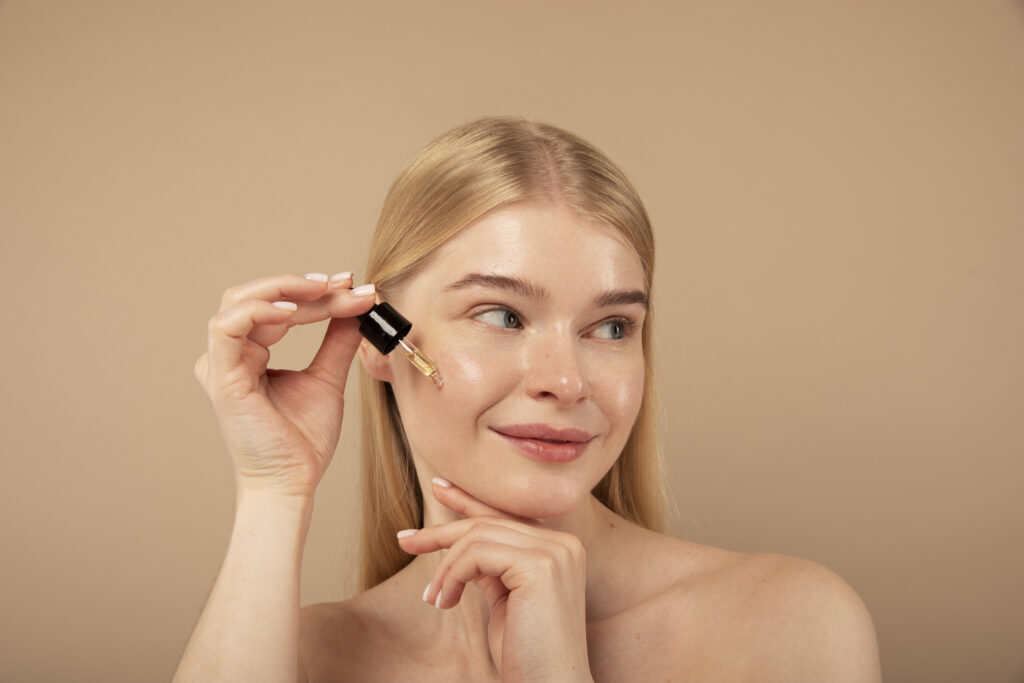
Why vitamin c serum benefits Matters
Vitamin C serum benefits matter because this antioxidant directly addresses the biggest complaints people have about their skin: loss of brightness, sun damage, and early signs of aging. Vitamin C (ascorbic acid and its stable derivatives) neutralizes free radicals from UV exposure and pollution, boosts collagen production, and helps fade dark spots. For many users, the result is smoother texture, improved firmness, and a more even complexion. Pain points solved by vitamin C include:
- Dull, uneven tone and post-inflammatory hyperpigmentation
- Fine lines and loss of elasticity
- Increased sensitivity to environmental stressors
- Need for a simple active that plays well with most routines
Beyond topical serums, vitamin C skincare benefits also extend to oral intake, though topical application typically produces faster, targeted effects for the face. Understanding how to choose and use a serum ensures you maximize these benefits while minimizing common side effects like irritation.
Step-by-Step vitamin c serum benefits Guide
Step 1: Choose the right vitamin C form and concentration
Not all vitamin C formulas are identical. L-ascorbic acid is the most researched and effective for brightening and collagen synthesis, but it can be unstable and irritating at high concentrations. If you have sensitive skin, consider a stable derivative like magnesium ascorbyl phosphate or sodium ascorbyl phosphate. Look for concentrations between 10–20% for most skin types—10% is gentle and effective, while 15–20% offers stronger results but may increase sensitivity.
Tip: If irritation is a concern, start with a lower concentration or a derivative, and perform a patch test behind the ear or on the inner forearm for 48 hours before full-face use.
Step 2: Pair vitamin C with complementary antioxidants and stabilizers
Combining vitamin C with proven stabilizers and antioxidants increases efficacy. A popular and clinically supported combo is vitamin C with vitamin E and ferulic acid. Ferulic acid benefits include stabilizing vitamin C and enhancing photoprotection, which amplifies the serum’s ability to neutralize free radicals and reduce sun-related damage. This trio (C + E + ferulic) improves results more than vitamin C alone.
Example: Look for serums that list ascorbic acid, tocopherol (vitamin E), and ferulic acid within the first few ingredients. These formulations deliver superior antioxidant synergy and longer shelf life compared to vitamin C by itself.
Step 3: Apply vitamin C serum correctly in your routine
The right order of application matters. After cleansing and toning, apply your vitamin C serum to slightly damp skin to enhance absorption. Use 3–5 drops and gently press it onto the face and neck. Allow the serum to fully absorb (about 30–60 seconds) before layering moisturizer and sunscreen. If you use other active ingredients like niacinamide or retinol, pay attention to timing: vitamin C can be used in the morning for antioxidant protection, while retinol is often reserved for nighttime. However, some people successfully use vitamin C and niacinamide together—modern formulations have largely resolved older compatibility concerns.
Step 4: Protect and maintain results with sunscreen and consistency
Vitamin C helps repair and protect against oxidative damage, but it does not replace sunscreen. Daily broad-spectrum SPF 30+ is essential to prevent further sun damage and preserve the serum’s benefits. For long-term improvement in hyperpigmentation and collagen support, use vitamin C consistently for at least 8–12 weeks. Track progress with photos rather than expecting overnight changes.
Tip: Store vitamin C serums in dark, cool places and choose opaque or amber packaging to preserve stability. If the serum turns dark brown or smells off, discard it — that indicates oxidation and reduced effectiveness.
Best Methods / Solutions
Expert-backed methods to maximize vitamin c serum benefits focus on formulation, routine timing, and pairing with complementary actives:
- Use a stable formulation: L-ascorbic acid stabilized with vitamin E and ferulic acid offers the best evidence for brightening and photoprotection.
- Morning application: Applying vitamin C in the morning gives antioxidant protection during daylight exposure.
- Layering with sunscreen: Sunscreen remains non-negotiable; vitamin C boosts the skin’s defense but cannot replace SPF.
- Combine with gentle exfoliation: Introducing AHAs or BHAs once or twice weekly can improve vitamin C penetration and accelerate brightness, but avoid overstressing sensitive skin.
- Consider professional-strength options: For deeper pigmentation or pronounced photoaging, consult a dermatologist about in-office treatments (like chemical peels or vitamin C boosters) that complement at-home serums.
For product discovery and tailored recommendations, visit our homepage to Get Start and explore formulations suited to different skin types.
Common Mistakes to Avoid
Many users expect instant miracles or misuse vitamin C in ways that reduce benefits or cause irritation. Common mistakes include:
- Using expired or oxidized serums — discard discolored products.
- Skipping sunscreen — vitamin C cannot substitute SPF.
- Applying too much too soon — start slow to avoid irritation, especially with high-strength L-ascorbic acid.
- Mixing incompatible actives incorrectly — avoid layering high-strength vitamin C with strong acids or exfoliants at the same time if your skin is sensitive; instead, alternate or space them between AM/PM routines.
- Not patch testing — even well-tolerated ingredients can cause reactions in some people.
Fixes: Replace oxidized bottles, prioritize sunscreen, begin with lower concentrations, and consult product labels or a professional when combining actives.
Pro Tips for Better Results
Advanced strategies that experienced users and professionals employ to boost vitamin c serum benefits:
- Use vitamin C alongside peptides and hydrating ingredients: Peptides support collagen synthesis, while hyaluronic acid reduces irritation and improves texture.
- Introduce vitamin C gradually into complex regimens: Start with every other day, then increase frequency based on tolerance.
- Customize concentration by season: Skin may tolerate higher concentrations in cooler months when UV exposure is lower.
- Address diet and lifestyle: Antioxidant-rich foods, adequate sleep, and reduced smoking amplify topical benefits. Benefits of vitamin C tablets for skin are complementary—oral vitamin C supports systemic antioxidant capacity but is not a substitute for topical serums.
- Seek professional assessment for stubborn pigmentation: If over-the-counter serums yield limited results, a consultation can unlock medical-grade treatments or prescription topicals.
If you’re ready to take the next step—whether you want product guidance or to build a beauty business around skincare—see how to Start Business with Sweet and Shine Beauty.
Conclusion
Vitamin C serum benefits are broad and well-supported: antioxidant protection, improved radiance, reduced hyperpigmentation, and enhanced collagen production. Selecting the right form and concentration, pairing vitamin C with stabilizers like ferulic acid, applying it correctly in your routine, and protecting skin with sunscreen will deliver the best results. Avoid oxidized products and common layering mistakes, and consider professional care for deeper concerns. With consistent use, vitamin C can become a cornerstone of a simple, effective skincare routine for healthier, brighter skin.
Want personalized advice or product recommendations? Contact us and our team at Sweet and Shine Beauty will help you choose the ideal vitamin C solution for your skin goals.
Frequently Asked Questions
Can vitamin C serum make your skin whiter?
Vitamin C helps reduce hyperpigmentation and brightens skin by inhibiting melanin production and promoting even tone, but it does not bleach skin. Results are gradual and aim for a more radiant, even complexion rather than “whitening.”
Are there vitamin c serum side effects I should watch for?
Common side effects include mild redness, stinging, or dryness, especially with high-strength L-ascorbic acid. These can often be managed by lowering the concentration, spacing applications, or choosing gentler derivatives. Always patch test before full use.
How long until I see results from vitamin C serum?
Many users notice improved brightness within 2–4 weeks, but meaningful changes to pigmentation and collagen-related firmness typically require 8–12 weeks of consistent use. Take photos to track subtle changes over time.
Can I use vitamin C with other actives like retinol or niacinamide?
Yes—with caveats. Vitamin C is commonly used in the morning and retinol at night to reduce irritation risk. Niacinamide is generally compatible with vitamin C; modern formulas minimize past concerns. If sensitive, introduce combinations gradually and monitor skin response.
Does adding ferulic acid improve vitamin C serums?
Yes. Ferulic acid benefits include stabilizing vitamin C and enhancing photoprotective effects, especially when combined with vitamin E. The C+E+ferulic combination is one of the most effective topical antioxidant pairings for reducing oxidative damage and improving overall results.