Everyone has heard the phrase “beauty sleep,” but how much of it is myth and how much is a real contributor to healthy skin? In this guide you’ll learn why beauty sleep matters, how sleep supports skin repair and anti-aging, and practical, actionable tips you can start tonight to wake up with more glowing skin. If your skin looks tired or you want to protect youthful tone and texture, this post promises a clear plan to improve sleep benefits for your skin.
Why beauty sleep Matters
Sleep is a restorative process for your whole body and the skin benefits dramatically. During sleep your body produces growth hormone, increases blood flow to the skin, and carries out cellular repair mechanisms that help collagen production and reduce inflammation. Those processes contribute to skin repair, reduce fine lines associated with aging, and promote a healthier complexion.
Common user pain points include:
- Waking with puffy or dull skin despite skincare routines
- Visible lines and slow healing of blemishes
- Frustration that topical products alone aren’t enough
By prioritizing quality sleep and aligning nighttime habits with skin biology, you increase the sleep benefits your skin receives improving moisture balance, anti-aging outcomes, and long-term skin resilience.
Step-by-Step beauty sleep Guide
Step 1: Establish a Consistent Sleep Schedule
Go to bed and wake up at the same time every day, even on weekends. Consistency reinforces your circadian rhythm, which regulates hormone cycles tied to skin repair and regeneration. Aim for 7–9 hours of uninterrupted sleep for most adults. Use a sleep tracker or a simple sleep log to identify patterns; small changes like shifting bedtime by 15 minutes over a week make adherence easier.
Step 2: Create a Skin-Friendly Nighttime Routine
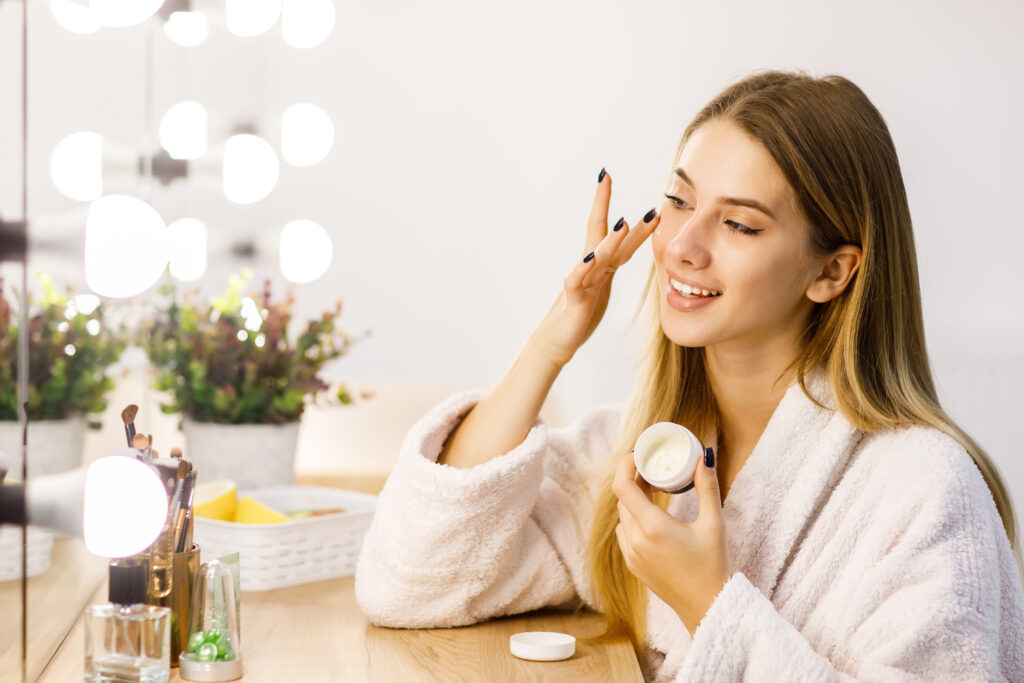
Night is when skin repair peaks, so your evening skincare should be purposeful. Start with gentle cleansing to remove sunscreen and pollutants. Follow with targeted treatments for example, a retinoid or peptide serum to support collagen production and anti-aging, and a hydrating moisturizer to support the skin barrier.
Examples of a simple routine:
- Cleanse: gentle, sulfate-free cleanser
- Treat: retinol/peptide serum (use as tolerated) or niacinamide for barrier repair
- Moisturize: a thicker night cream or ceramide-rich moisturizer
- Optional: facial oil or occlusive for very dry skin
Apply products with upward, gentle motions and allow time to absorb before lying down—this prevents product transfer to pillows and maximizes skin repair time.
Step 3: Optimize Your Sleep Environment
Small environmental changes can raise the quality of your sleep and enhance skin benefits. Recommendations include:
- Temperature: keep bedroom cool (around 16–20°C / 60–68°F) to encourage deep sleep phases tied to growth hormone release.
- Lighting: remove blue-light sources an hour before bed; use blackout curtains to block streetlight that can disrupt circadian rhythms.
- Bedding: use a clean, breathable pillowcase (silk or high-thread cotton) to reduce friction that can contribute to sleep lines and irritation.
- Humidity: maintain moderate humidity to prevent transepidermal water loss—consider a humidifier in dry climates.
Step 4: Lifestyle Habits That Support Nightly Skin Repair
Lifestyle choices during the day affect how well your skin repairs at night. Key habits include:
- Nutrition: consume a balanced diet rich in antioxidants (berries, leafy greens), omega-3 fatty acids (fatty fish, flaxseed), and adequate protein for collagen synthesis.
- Hydration: keep hydrated throughout the day; skin hydration supports a healthy barrier that repairs more efficiently overnight.
- Limit alcohol and heavy meals before bed: both can fragment sleep and reduce time spent in restorative deep sleep.
- Stress management: practice relaxation such as breathing exercises, light stretching, or guided meditation to lower nighttime cortisol that impairs skin repair.
Best Methods / Solutions
Combining sleep hygiene with targeted skincare produces the best results. Evidence-based methods include:
- Retinoids at night for proven anti-aging and skin renewal—start with low concentrations and build tolerance.
- Using peptides and growth-factor–supporting ingredients to stimulate collagen production while you sleep.
- Barrier-repair moisturizers containing ceramides, cholesterol, and fatty acids to lock in moisture and support skin repair processes.
- Prioritizing sleep quality over quantity when possible—uninterrupted deep sleep is more valuable for skin repair than fragmented longer sleep.
These solutions work best when paired with a routine and environment that supports circadian rhythm and stress reduction. For personalized product guidance, you can Contact us at Sweet and Shine Beauty for tailored recommendations.
Common Mistakes to Avoid
Many people unknowingly undermine beauty sleep. Avoid these mistakes and apply the fixes below:
- Skipping nightly skincare: Fix — prioritize cleansing and a barrier cream at night to support skin repair.
- Using harsh actives without gradual introduction: Fix — build tolerance with lower concentrations and alternate nights to prevent irritation.
- Sleeping with makeup on: Fix — remove makeup to prevent clogged pores and reduced cellular repair.
- Poor sleep environment: Fix — reduce light, noise, and temperature extremes to improve sleep continuity.
- Relying on topical fixes alone: Fix — combine good sleep habits, nutrition, and topical care for comprehensive results.
Pro Tips for Better Results
Advanced strategies can accelerate and enhance results for those focused on anti-aging and glowing skin:
- Time retinoid application: apply retinoids 20–30 minutes after cleansing to reduce irritation and allow gradual absorption.
- Layer humectants under occlusives: use a hyaluronic acid serum before a richer night cream to maximize hydration retention.
- Swap cotton pillowcases for silk: silk reduces friction that causes sleep lines and can help maintain skin hydration for glowing skin.
- Cycle active ingredients seasonally: stronger exfoliation in low-sun months and gentler options in high-UV seasons to protect the skin barrier.
- Track sleep and skin together: take weekly photos and note sleep quality to correlate routine changes with skin improvement over time.
When you’re ready to turn your improved nightly routine into a business or professional practice, learn how to Start Business with Sweet and Shine Beauty’s resources and support.
Conclusion
Beauty sleep is more than a saying it’s a measurable contributor to skin repair, anti-aging, and healthy skin. By establishing consistent sleep routines, optimizing your bedroom environment, using targeted nighttime skincare, and adopting supportive lifestyle habits, you can maximize sleep benefits for glowing skin. Start with one change tonight and build a sustainable routine for long-term results. For step-by-step program support and product guidance, Get Start with Sweet and Shine Beauty.
Frequently Asked Questions
Most adults benefit from 7–9 hours per night. Quality matters: uninterrupted deep sleep phases are when growth hormone peaks and cellular repair is most active. Aim for consistent bedtimes to support circadian rhythms and maximize skin repair.
Yes. Chronic sleep deprivation increases inflammatory markers and decreases collagen production, accelerating signs of aging such as fine lines, uneven texture, and dullness. Improving sleep quality helps counteract these effects and supports anti-aging mechanisms.
Retinoids, peptides, ceramides, and nourishing oils are ideal for night use. Retinoids support cell turnover and anti-aging; peptides and growth-factor supportive ingredients promote collagen; ceramides and occlusives restore the skin barrier during repair cycles.
Yes. Silk or satin pillowcases reduce friction and help prevent sleep lines and mechanical irritation. They also minimize moisture loss compared with rougher fabrics, which can help maintain hydrated, glowing skin.
Some improvements, like reduced puffiness and better skin tone, can be visible within days. Structural changes improved collagen, fewer fine lines, and faster healing typically take weeks to months. Track progress with photos and adjust routines as needed for lasting results.